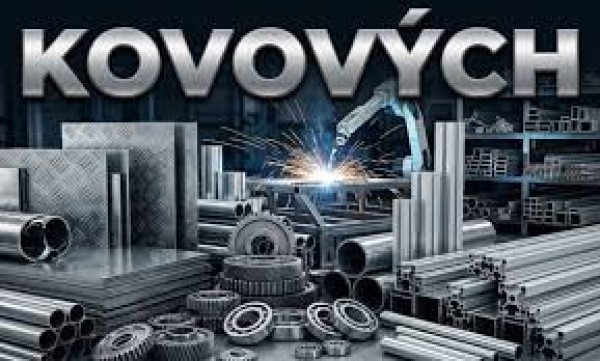
Introduction to Kovových
The term Kovových originates from the Czech language and is widely used in technical, industrial, and scientific contexts. Although it may appear complex at first glance, its meaning becomes clear once it is broken down. It is closely associated with metals, metallic substances, and materials derived from metal elements.
In engineering, construction, and manufacturing sectors, Kovových is used to describe objects or materials that are metal-based. It is a descriptive term that helps professionals communicate with precision when referring to multiple metallic items or properties of metals.
Understanding this term provides valuable insight into how technical language functions in Central European industries and how material classification is structured.
What Does Kovových Mean?
Linguistic Breakdown
The meaning of Kovových can be understood by examining its root structure:
- Kov = metal
- Kovový = metallic / made of metal
- Kovových = of metals / relating to metals (plural form)
In simple terms, Kovových refers to things made of metals or associated with metals, particularly when describing multiple items or categories.
Grammatical Usage
In Czech grammar, Kovových is a genitive plural form. This means it expresses possession or relation to more than one metal or metallic object.
It is commonly used in technical descriptions such as:
- Properties of metals
- Metal-based materials
- Components made of different metals
This grammatical structure allows for precise communication in scientific and industrial writing.
Importance of Kovových in Technical Fields
Engineering and Manufacturing
In engineering documentation, clarity is essential. The term Kovových is widely used to describe materials and components made of metals in:
- Mechanical engineering reports
- Construction blueprints
- Manufacturing specifications
- Industrial design documents
For example, engineers may refer to the strength or durability of kovových materials when analysing structural performance.
Material Science Applications
Material science relies heavily on classification systems. Metals form one of the most important material categories due to their versatility and strength.
Kovových materials may include:
- Steel
- Aluminium
- Copper
- Iron alloys
- Titanium-based materials
Each of these metals has distinct characteristics such as conductivity, durability, and resistance to environmental conditions.
Types of Kovových Materials
Ferrous Metals
Ferrous metals contain iron as their main element. They are widely used due to their strength and affordability.
Common examples include:
- Carbon steel
- Cast iron
- Wrought iron
These materials are commonly used in construction, automotive parts, and industrial machinery.
Non-Ferrous Metals
Non-ferrous metals do not contain iron and are generally more resistant to corrosion.
Examples include:
- Aluminium
- Copper
- Zinc
- Lead
These metals are widely used in electrical systems, aerospace engineering, and plumbing due to their lightweight and corrosion-resistant properties.
Alloys
Alloys are combinations of two or more metals designed to improve performance.
Examples include:
- Brass (copper and zinc)
- Bronze (copper and tin)
- Stainless steel (iron, chromium, and nickel)
Alloys are essential in modern industry because they enhance strength, durability, and resistance to wear.
Practical Uses of Kovových Materials
Construction Industry
Kovových materials are fundamental in construction due to their strength and reliability. They are used in:
- Bridges
- Buildings
- Industrial structures
- Infrastructure projects
Steel frameworks and metal reinforcements ensure stability and long-lasting performance.
Automotive Industry
The automotive sector relies heavily on metals for safety and functionality. Kovových components in vehicles include:
- Engine parts
- Chassis structures
- Transmission systems
- Body panels
These materials ensure vehicles are strong, safe, and durable under stress.
Electronics and Electrical Systems
Metals play a crucial role in electronics due to their conductivity. Copper and aluminium are especially important in:
- Wiring systems
- Circuit boards
- Electrical connectors
Without Kovových materials, modern electrical technology would not function efficiently.
Key Properties of Kovových Materials
Strength and Durability
Metals are known for their ability to withstand heavy loads and mechanical stress. This makes them ideal for structural applications.
Electrical and Thermal Conductivity
Most metals conduct electricity and heat effectively, making them essential in energy transfer systems and electronic devices.
Malleability and Ductility
Metals can be shaped into different forms without breaking, allowing manufacturers to create complex designs and structures.
Corrosion Resistance
Some metals naturally resist corrosion, while others require protective coatings. This is important for long-term durability in harsh environments.
Role of Kovových in Modern Industry
Global Importance
Although the term is Czech, the concept of Kovových materials is globally relevant. Metals are essential in almost every industry, from transportation to technology.
They are used in:
- Infrastructure development
- Industrial machinery
- Consumer electronics
- Transportation systems
Without metals, modern civilisation would not be possible at its current level of advancement.
Recycling and Sustainability
One of the major advantages of metals is their recyclability. Kovových materials can often be reused without losing quality.
Benefits of metal recycling include:
- Reduced environmental impact
- Conservation of natural resources
- Lower production costs
Steel and aluminium recycling are especially common worldwide.
Challenges of Kovových Materials
Corrosion and Wear
Some metals degrade when exposed to moisture and oxygen over time, leading to rust and structural weakening.
High Energy Consumption
Metal extraction and processing require significant energy, making production expensive and resource-intensive.
Weight Limitations
Certain metals are heavy, which can limit their use in industries where lightweight materials are preferred.
Future of Kovových Materials
Advanced Alloys
Modern research focuses on creating stronger and lighter alloys with improved performance for industrial use.
Nanotechnology Applications
Nanotechnology allows scientists to manipulate metals at the atomic level, improving strength, flexibility, and conductivity.
Sustainable Metallurgy
Future metal production is moving towards environmentally friendly methods that reduce emissions and improve recycling efficiency.
Conclusion
The term Kovových represents metals and metallic materials in the Czech language, especially in plural and technical contexts. Its usage is essential in engineering, manufacturing, construction, and material science.
From infrastructure to electronics, Kovových materials form the foundation of modern industrial society. Their strength, versatility, and recyclability make them indispensable across multiple sectors.
As technology continues to advance, the importance of metallic materials will only grow, especially with innovations in sustainable production and advanced alloy development.